
 +1 (800) 485-4179
Types of Packaging: Primary, Secondary, & Tertiary
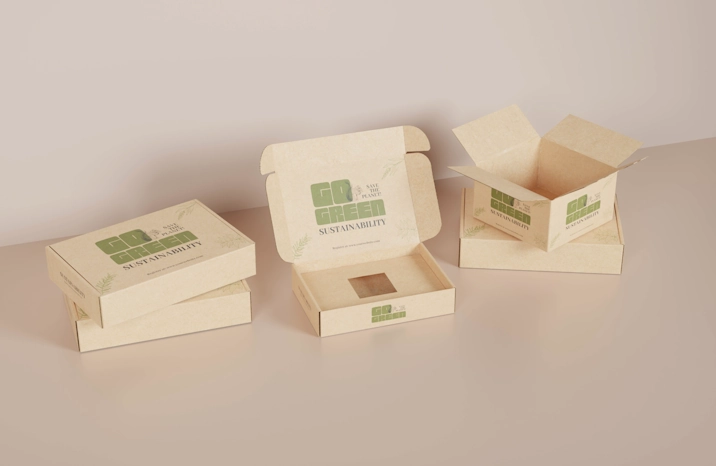
Packaging plays a key role in protecting, presenting, and delivering products safely to customers. It’s not just about wrapping an item. Packaging protects the product, builds brand recognition, and improves the customer experience.
It’s important to choose the right packaging type and material for your products to:
- Protect items during shipping or storage
- Make handling and display easier
- Support your marketing and branding efforts
In this article, let’s break down the three main types of packaging and their uses.
What are the 3 types of packaging?
The three main types of packaging are:
- Primary packaging
- Secondary packaging
- Tertiary packaging
Knowing the purpose of each type helps you choose the right packaging materials based on your product needs, budget, and customer expectations.
1. Primary Packaging
Primary packaging, also known as “consumer packaging,” refers to the first layer of material. It makes direct physical contact with the product. It commonly has two uses:
- It helps protect products from moisture, heat, sunlight, and contaminants. It also provides cushioning against impact or physical damage.
- Second, it attracts customers and makes your brand stand out on retail shelves with unique features.
This packaging also makes the product convenient to use and handle. It is perfect for marketing or conveying the brand’s messages. It includes product information like the ingredients, instructions, QR codes, expiry date, and safety warnings.
Example
Different industries use primary packaging for their products. Here are a few examples of primary packaging:
- Soda Can: The beverage industry uses primary packaging to hold the soda.
- Glass Jars for jams: The food industry uses glass jars to safely hold jam and keep it fresh for a long time.
- Pill Bottle: The pharmaceutical industry uses pill bottles to protect pills from contamination and keep them tightly packed.
- Lipstick Tubes: The cosmetic industry uses lipstick tubes to fit their lipsticks perfectly.
- Shampoo bottles: This personal care product keeps your shampoo protected and easier to dispense.
2. Secondary Packaging
Secondary packaging is as important as the primary one. Secondary packaging protects, handles, stores, and transports multiple primary packaging units. Its main purpose is the protection, marketing, and bundling of your products.
This type of packaging makes products look more appealing to customers and helps retailers to store and handle them more easily.
You can easily print pictures, logos, and messages. This helps people remember your brand.
Common uses of secondary packaging include:
- Display packaging in retail settings
- Shipping boxes or cartons that carry several consumer items
- Branded packaging for added shelf appeal
Secondary packaging keeps your products organized during transit from the warehouse to the retail shelves.
Example
Let’s explore some examples of secondary packaging:
- Cardboard Boxes: These are used to carry various primary packages, such as dropper bottles, toothpaste tubes, and more.
- Retail Display Boxes: These boxes hold multiple products, like tea bags and small snacks, and keep them organized on retail shelves.
- Corrugated Boxes: These are used to hold products or multiple items during shipping and provide cushioning to protect them from damage.
- Shrink Wraps: They are used to pack water bottles and cans for easy shipping and handling.
- Folding Cartons: These cartons are used to package everyday products such as food, cosmetics, electronics, and household goods.
3. Tertiary Packaging
Tertiary packaging is the outermost layer of packaging, designed to safely transport secondary-packaged products to their final destination. It plays a vital role in bulk shipping, especially during long-distance transportation and warehouse storage.
Unlike primary or secondary packaging, tertiary packaging is not focused on branding or customer appeal. Its main purpose is to:
- Protect products during shipping and storage
- Bundle multiple items for easier handling and distribution
- Prevent damage with sturdy materials and secure seals
It features sturdy seals to minimize the risk of damage. Tertiary packaging is important in logistics, especially for long-distance shipping.
Example
Here are a few examples of tertiary packaging that you can choose from:
- Pallets: Pallets are used to carry multiple secondary packaged products. They are sealed with straps or shrink wraps.
- Crates: These provide protective packaging for heavy or fragile items.
- Strapping: These plastic films are used to wrap multiple pallets tightly, giving extra protection during shipping.
- Stretch Wrap: It is a strong plastic film that holds multiple boxes or large volumes together for safe and secure transport.
Why do packaging types matter?
Packaging types play a key role in product protection, storage, shipping, and presentation. Each type of packaging serves a unique purpose in the supply chain. Together, these types help prevent damage, support organized storage, and make products more appealing on shelves.
They also let brands showcase their identity, improve the unboxing experience, and build customer trust. When done right, it can even help increase sales and strengthen brand loyalty.
Conclusion
Understanding the three types of packaging helps businesses improve product safety, handling, and brand visibility. Each type serves a different purpose but works together to deliver a better customer experience and smoother logistics.
A smart packaging strategy can set your brand apart in a competitive market. Investing in well-designed packaging at every level leads to better product protection, easier storage, and safe shipping.
CustomBoxWire helps you choose the right type of packaging for your product. Get in touch with us and start your journey.