
 +1 (800) 485-4179
How to Prevent Shipping Damages?
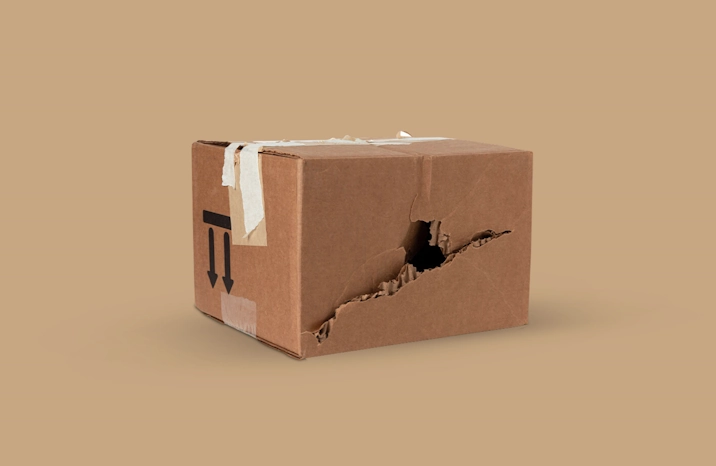
Shipping damages can be a big problem. They cost money, waste time, and upset customers. When a product gets damaged during delivery, it can damage your brand reputation and lead to returns or bad reviews.
This guide will help you learn why items get damaged during shipping and how to prevent it.
Follow these simple steps to protect your products, save money, and keep your customers happy.
Why do items get damaged during shipping?
There are many reasons why items get damaged during shipping. Let’s take a look at the most common causes:
1. Improper Fitting
One of the biggest causes of damage is using the wrong box size. If the box is too big, the product may move around and break. If the box is too small, it can squeeze the item and cause cracks or dents.
A box that fits just right helps protect the product during shipping without getting crushed.
If you use poly mailers or bubble mailers for small items, they can get damaged if there’s not enough padding. Just make sure they are padded properly.
2. Not or Poorly Labeled Packages
If your box doesn’t have clear labels like “Fragile” or “This Side Up,” the shipping team may not handle it carefully.
During transit, packages are handled by many different package handlers. Without clear instructions, they might be thrown, dropped, or stacked incorrectly. A proper shipping label with handling instructions helps prevent this.
3. Weather Damage
Rain, snow, or high humidity can ruin a package, especially if it’s not sealed well. Boxes may get wet, weaken, or fall apart. Temperature changes can also harm items like food, cosmetics, or electronics.
Your packaging should be ready to face different climatic conditions. Use waterproof layers and seal everything tightly to keep the products safe.
4. Stolen Packages
If a package is stolen, either during delivery or after it arrives at the customer’s door, you may have to send a replacement.
To help stop package theft, share helpful tips with your customers. Many shippers, like UPS and FedEx, offer free tools to improve delivery safety and flexibility. These tools let customers pick a safe delivery time or choose a pickup spot to lower the risk of stolen packages.
5. Pest Damage
Pests like insects or rodents can sneak into weak packaging. They can chew through cardboard and damage your items, especially if you are shipping food, fabric, or paper products.
Make sure your products are packed tightly with sturdy packing materials, so the food inside stays safe and doesn’t get damaged.
7 Proven Ways to Avoid Shipping Damage
Now that you know what causes damage, let’s look at eight easy ways to prevent it.
These steps will help you pack smarter, ship safer, and keep your customers satisfied.
1. Do Routine Drops and Vibration Tests
Before shipping a product, test your packaging. Drop it from waist height or shake it gently like it would be during shipping. This helps you find weak spots.
If your product breaks during the test, change the way you pack it. These tests are simple but can save you from returns and complaints.
2. Use the Right Box Size
The box you choose matters. Make sure it’s the right size, big enough to hold the item and padding, but not so big that the item moves around.
Tips for choosing the right box:
- Leave at least 2 inches of space on all sides for padding.
- Use double-wall boxes for heavy or breakable items.
- Avoid old boxes with weak corners or tears.
Also, using the right dunnage, such as air pillows, kraft paper, or foam inserts, helps fill empty spaces and keeps products from shifting inside the box.
Right-sized packaging also saves on shipping costs and reduces waste.
3. Wrap Every Product Carefully
Don’t just place your item in the box. Wrap it tightly to keep it safe from bumps or drops.
Best materials for wrapping:
- Bubble wrap.
- Foam sheets.
- Paper fill.
- Biodegradable air pillows.
Wrap each item separately, especially if you’re sending more than one. Use packing tape to hold the wrap in place so it doesn’t open during transit.
4. Label the Box as Fragile
Labels can help a lot. If your package is fragile, put a big and clear label on the box.
Good shipping label examples:
- “Fragile – Handle with Care”.
- “This Side Up”.
- “Do Not Stack”.
Place labels on all sides of the box. Use waterproof labels or cover them with clear tape to keep them readable in any weather.
5. Track Every Package
Always use a shipping service that provides tracking. Tracking helps you follow the package’s journey from start to finish. It can also alert you to delays or problems.
Tracking is useful for both you and your customer:
- Customers know when to expect delivery.
- You can check if a package is stuck or lost.
- It builds trust in your brand.
This is especially important in e-commerce, where customers rely on updates and fast delivery.
Accurate tracking, safe delivery, and damage-free products all help improve the overall customer experience.
6. Work with Trusted Shipping Partners
Reliable shipping companies handle packages with care and follow better safety steps. This reduces the risk of damage during delivery.
How to choose the right partner:
- Check their reviews and damage rates.
- Ask about their tracking and insurance options.
- Test their service with a few shipments.
A trusted shipping company can also help you better manage the supply chain and reduce overall shipping problems.
7. Collect and Review Data on Shipping Damages
Tracking damage reports helps you find out what’s going wrong. Look at when and where damages happen, which products are affected, and what packaging was used.
Use this data to improve packing methods, change materials, or choose better shipping methods.
Conclusion
Shipping damage is a real problem, but it can be prevented. Most damage happens because of poor packing, no labels, improper handling, or bad weather.
By using the right box, wrapping your items well, and choosing a good shipping company, you can keep your packages safe.
Remember:
- Test your packaging.
- Pick sturdy materials.
- Label clearly.
- Track your shipment.
- Collect data for damages.
When you ship with care, your product arrives safely. That means satisfied customers, fewer returns, and a stronger brand image.