
 +1 (800) 485-4179
What is UV Coating in Packaging?
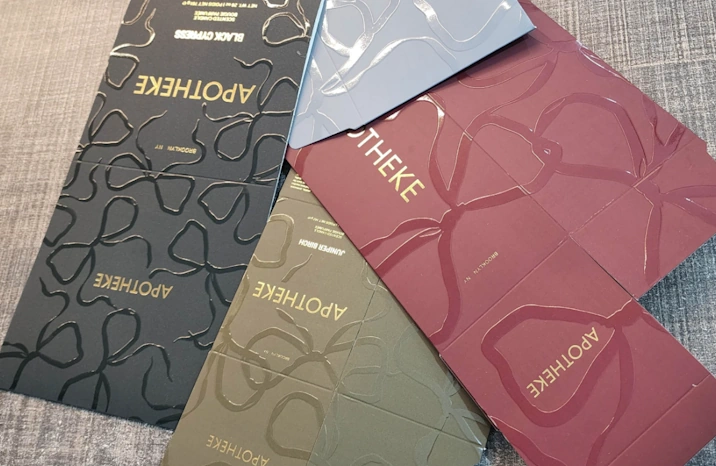
UV coating is a clear liquid finish applied to printed materials and dried instantly with ultraviolet light, creating a smooth, glossy or matte layer. It enhances appearance while protecting against scratches, smudges, and fading. Commonly used in packaging, brochures, and luxury displays, it offers both visual appeal and added durability.
What is the UV coating process?
The process starts with a clear liquid coating that includes ingredients like:
- Calcium
- Carbonate
- Kaolinite
- Polyethylene
Here is the process for applying UV coating:
- The surface is prepared to help the coating stick properly.
- A clear liquid coating is applied using a roller or silkscreen for even coverage.
- UV light is used to dry the coating almost instantly.
- Within seconds, the surface becomes dry, smooth, and durable.
- The coating is water-resistant and protects against moisture, scratches, and smudges.
- UV coating can be applied to the entire package or just specific areas like logos or designs for emphasis.
Types of UV Coating
UV coating comes in different types, each offering a unique finish and feel to match your packaging needs.
1. Gloss UV Coating
Gives a shiny, high-gloss finish that makes colors pop and grabs attention. Commonly used for retail and promotional packaging.
2. Matte UV Coating
Provides a smooth, non-shiny finish for a more elegant and subtle look. Great for luxury and high-end products.
3. Satin UV Coating
Offers a balance between gloss and matte. It feels soft to the touch with a slight sheen and is ideal for a clean, professional appearance.
4. Spot UV Coating
Applied only to specific areas like logos or images to create contrast and highlight key elements.
5. Soft-Touch UV Coating
Adds a velvety, smooth texture that feels premium and luxurious. Often used in cosmetics, electronics, and gift packaging.
Advantages and Disadvantages of UV Coating
Advantages:
- Fast Drying: Instantly cures under UV light, speeding up production.
- Durable Finish: Protects against scratches, smudges, and moisture.
- High-Quality Appearance: Improves color vibrancy and adds a professional look.
- Customizable: Available in gloss, matte, satin, and spot finishes for different effects.
- Eco-Friendly Option: Many UV coatings are free from harmful solvents and have low VOC emissions.
Disadvantages:
- Not Easily Recyclable: Coated materials can be harder to recycle than uncoated ones.
- Costly: UV coating can be more expensive than basic finishes.
- Can Crack on Folds: May become brittle and crack along scoring or fold lines.
How is UV coating different from other finishes?
UV coating stands out from other finishing options, the reasons are here:
UV Coating vs. Aqueous Coating
Aqueous coating is water-based and eco-friendly. It’s a solid choice for basic protection and a smooth finish. However, UV coating offers a higher gloss and stronger resistance to scratches and scuffs. If you want bold shine and durability, UV coating is a good option.
UV Coating vs. Lamination
Lamination provides the best protection and is truly waterproof. But it comes with extra steps like edge trimming, which can raise your production costs. UV coating is quicker to apply and less costly while still offering a strong, water-resistant surface.
Conclusion
UV coating is a popular finishing option in packaging due to its ability to enhance appearance and provide added protection.
It offers fast drying, vibrant visuals, and durability, making it ideal for both retail and luxury products.
With various finish types like gloss, matte, and spot UV, brands can create eye-catching designs. While it may have some limitations, UV coating remains a reliable choice for improving both the look and lifespan of packaging.